Boston, MA, USA
4.7 (4,209 Reviews)
Hilton Hotels & Resorts is a global leader in the hospitality industry, offering world-class accommodations and exceptional service. With over 600 locations across more than 90 countries, Hilton provides a wide range of amenities to suit both leisure and business travelers.
Whether you’re staying for a relaxing vacation or an important business trip, Hilton offers a variety of room options, modern meeting spaces, fitness centers, pools, and fine dining experiences. Known for its high standards of quality and customer service, Hilton remains a favorite choice for travelers seeking comfort, convenience, and luxury at an affordable price.
Once your reservation is successfully made, you will typically receive a confirmation email or SMS from the hotel or service provider. This confirmation will include a unique reservation number, details of your booking, and the dates of your stay or service. Additionally, you can check your reservation status through the hotel’s website or app by logging into your account, where you’ll find an option to view your booking details. If you don’t receive a confirmation right away, it's a good idea to check your spam folder or contact the hotel directly to ensure your reservation was processed successfully.
Yes, as a hotel or accommodation provider, you are generally allowed to decline reservation requests, but it must be done within the boundaries of your business policies and legal requirements. Common reasons for declining a reservation might include lack of availability, issues with payment, or violations of your booking terms (e.g., age restrictions, guest behavior, etc.). However, it’s important to handle declined reservations professionally, and in most cases, informing the guest promptly and offering an alternative or refund is advisable. Additionally, some regions or platforms may have specific rules about when and how reservations can be refused, so it’s important to be familiar with these regulations.
If you let a reservation request expire without confirming or declining it, the booking will typically be canceled automatically, and the guest will no longer have access to that specific reservation. Depending on the platform or system you are using, the guest may be notified that their request has expired. This can lead to a missed opportunity for both the guest and the accommodation provider. If a request expires due to inaction, you may lose the chance to accommodate the guest or earn the revenue from the booking. It’s always advisable to respond to reservation requests within the allotted time frame to avoid any confusion or lost business.
Setting reservation requirements is essential for managing guest expectations and ensuring a smooth booking process. You can define eligibility criteria, such as minimum age or membership status, and establish policies for minimum or maximum stay durations, particularly during peak times. Payment terms should be clearly stated, including deposit requirements or full prepayment policies. It's also important to set clear cancellation and refund guidelines, along with lead times for booking. Special requests, house rules, and age restrictions should be outlined to ensure guests understand your expectations. Finally, integrating these requirements into your booking system will help streamline the process, ensuring both you and your guests are on the same page before the reservation is confirmed.
Excellent
Based on 4 reviews Bestseller
From 8800rs Per night
See details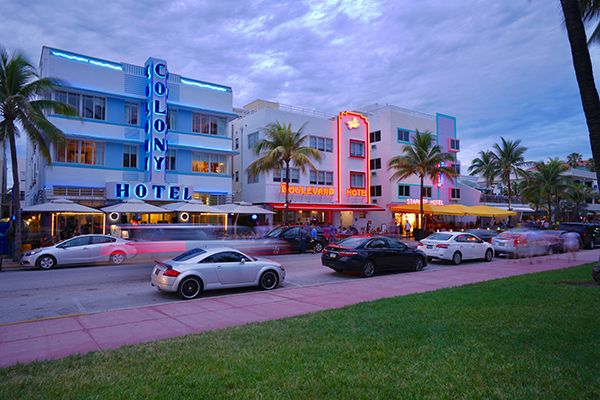
From 5800rs Per night
See details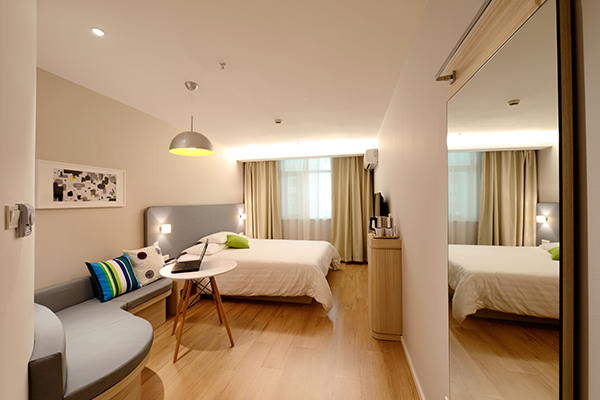 Featured
From 8800rs Per night
See details
© Copyright Bhoomi Techzone Pvt. Ltd.|| All Right Reserved




Jenny Doe
April 5, 2019
A wonderful experience from start to finish. The staff was incredibly accommodating, and the room exceeded my expectations. The booking process was smooth, and the hotel followed all of our requested preferences. Highly recommend!
Jenny Doe
April 5, 2019
This was a great place to stay. The reservation was quick and hassle-free, and the customer service team was responsive when I had a special request. The amenities were top-notch, and I felt very comfortable throughout my stay.